

Fold, Pour, Store: Kitchen Origami That Works

Welcome, inventive cooks and curious makers! Today we explore Practical Origami in the Kitchen: Funnels, Containers, and Pour Spouts, turning simple sheets into hardworking tools that guide liquids, corral dry goods, and tidy prep. With food-safe materials, clear steps, and safety insights, you will fold quick helpers that shine during busy cooking moments. Try, tweak, and share your successes or questions in the comments so our community can improve each clever fold together.

Smart Starts: Materials and Tools That Touch Food
Choosing Food-Safe Paper

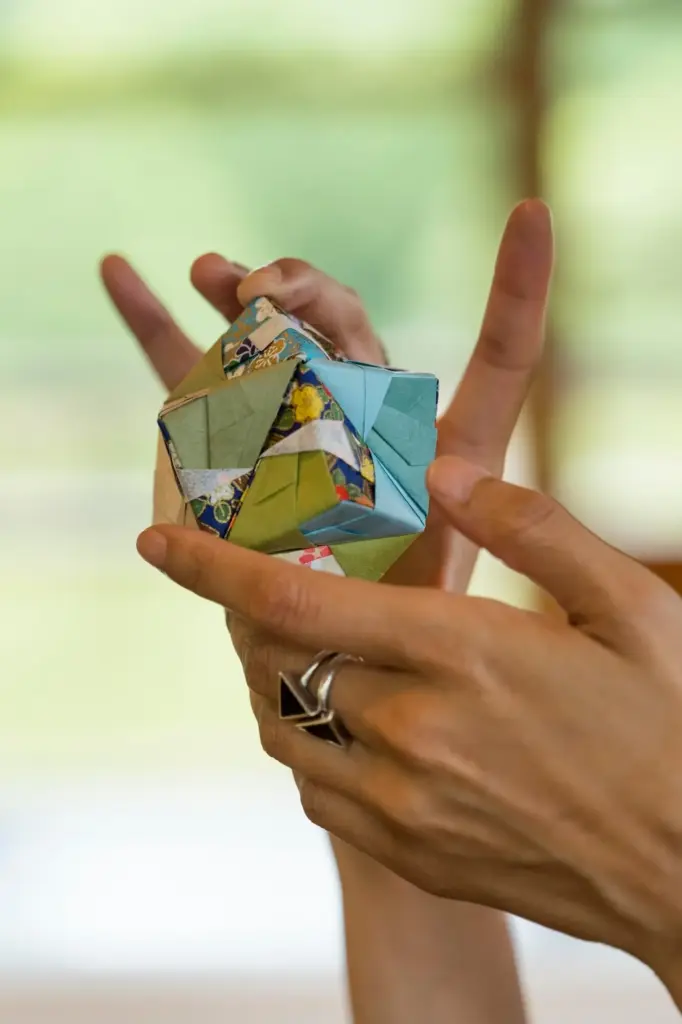
Unbleached parchment, silicone-coated baking paper, and beeswax wrap excel for funnels and containers because they resist grease, handle moderate heat, and release neatly. Avoid decorative prints, dyes, or sticky tapes where food flows. For steaming or high heat, maintain distance from direct flame and hot coils. Square cuts make classic boxes reliable, while circles roll into smooth cones. Keep duplicates on hand, experiment with thickness, and test with water first to identify any weak seams.

Tools, Clean Surfaces, and Quick Prep

Even humble tools elevate precision. Use a sanitized ruler for straight reference lines, a clean spoon handle to press folds, and binder clips to hold temporary seams without touching food paths. Dry hands matter; moisture weakens paper memory. Pre-cut a small stack of squares and circles in various sizes, stored in a sealed bag to keep them crisp. Label each stack for intended uses—funnels, containers, or spouts—to grab exactly what you need during busy cooking.

Strength, Grain, and Leak Paths

Paper has direction and memory. Align overlaps so the seam sits above the flow, not underneath, and reinforce tips with an extra tucked flap to prevent pinhole leaks. Compact creases matter; compress sharply at stress points where liquid accelerates. For dry goods, widen the outlet to avoid clogging. For syrupy liquids, introduce a short inner lip that interrupts capillary creep. Practice with water first, then graduate to oil, honey, and dressings, watching how edges behave.

One-Minute Cone for Quick Decants

Start with a circle or sector of parchment, roll into a cone, and align the seam high so liquids cannot find a downhill escape. Pinch the tip closed, then trim a tiny outlet to control flow. Insert into the bottle neck and support with a gentle hand. For thick dressings, enlarge slightly. For fine sugar, keep narrow. After use, compost if appropriate and note improvements for your next fold, building muscle memory that pays off.

Locking Seam for Thicker Batters

When pouring smoothie mixes, thin batter, or purées, use a tab-and-slot idea: fold a small tab along the outer edge and tuck it under a neighbor layer, forming a friction lock. This increases wall stiffness near the outlet and resists bulging. Optionally add a parchment ring around the neck as a collar, stabilizing the cone hands-free. Work over a bowl for reassurance, then transfer. The reinforced seam keeps the flow steady without surprise bursts.

Pop-Up Boxes, Trays, and Pouches on Demand
Origami containers become instant helpers during prep: a masu-style box for diced herbs, a shallow tray for measured spices, or a self-closing pouch for snacks or tea. Parchment’s stiffness holds shape yet folds cleanly, letting edges stay square under gentle loads. Add double walls where damp ingredients rest, and keep fold lines crisp to resist sagging. These containers assemble fast, store flat, and transform chaotic counters into neatly arranged, movable, compostable staging stations.

Clip-On Pour Spouts for Bowls, Pots, and Bags

V-Spout for Pan Drippings

Fold a narrow V with a reinforced nose to channel drippings into a jar without racing across the rim. Press side wings firmly against the pan, keeping the highest edge above the liquid level. The sharp internal crease shapes a stable stream. Cool pan briefly to protect paper integrity. Work slowly and wipe the rim before removing the spout. For thick gravies, open the V slightly wider. Practice with water first to learn the grip pressure.

Bowl Collar with a Beak

Transform a rectangle into a collar that hugs the bowl’s rim, then fold a small beak protruding outward to define a pouring gate. The collar distributes pressure so the beak remains open under weight. Align seams away from the flow to prevent wicking. This method helps with pancake batter, custards, or blended soups when transferring to containers. Hold from the collar’s dry section for safety, and rinse the bowl rim first to eliminate hidden drips.

Bag Chute for Dry Goods

Open a bag of rice or beans, then insert a folded chute shaped like a tapered trough. The chute narrows gradually, preventing sudden avalanches and reducing dust clouds. Press the chute’s shoulders against the bag mouth for side stability. For fine flours, line with a second strip to stiffen edges. Decant slowly into jars or canisters, tapping gently to settle. When finished, flatten the chute, tuck it inside a cookbook sleeve, and reuse during weekend prep.

Heat, Moisture, and Hygiene Without Anxiety

Safety determines success. Keep paper away from direct flame, broiler coils, and splattering deep-fry zones. Parchment tolerates oven temperatures within manufacturer guidance, but steam softens fibers, so double up where condensation forms and avoid prolonged contact with boiling edges. For oily sauces, prefer silicone-coated parchment and orient seams upward to stop wicking. Always start with clean hands and counters, discard compromised folds promptly, and test each design with water to understand behavior before committing precious ingredients.

Real-Kitchen Wins, Lessons, and Reader Challenges
Stories make techniques sticky. A reader once bottled elderflower syrup with a last-minute parchment cone and a collar ring, avoiding the annual countertop disaster. Another refined a beaked spout that finally tamed pan drippings. Share your experiments, photos, and questions below. Request a fold for a tricky situation, suggest improvements, and vote on next guides. Your feedback turns small discoveries into widely trusted methods, building a playful, practical practice that keeps cooking joyful and calmly organized.
Temisanofarilorozentosira
Privacy Overview

This website uses cookies so that we can provide you with the best user experience possible. Cookie information is stored in your browser and performs functions such as recognising you when you return to our website and helping our team to understand which sections of the website you find most interesting and useful.